

What is luxury? While we associate durability to luxury products, it’s true meaning leans more towards great ease, elegance or comfort in life, at a great expense.
Luxury is, at a first glance, very well positioned in sustainability, with products made with the highest quality materials, durability and the type of products passed on generations.
This all makes sense and one can easily assume that’s the case. However, not all luxury brands are sustainable.
The luxury industry has traditionally been associated with excess and overconsumption, with little to no consideration for the environmental and social impact of their products and services.

However, in recent years, many luxury brands have recognized the importance of sustainability and have made real efforts to integrate sustainable practices into their operations.
We are now seeing luxury brands using sustainable materials, such as organic cotton, recycled polyester, and vegan leather in their products. Others are adopting sustainable production methods, such as using renewable energy, reducing water usage, and minimizing waste.
Furthermore, some luxury brands are implementing ethical and fair labor practices in their supply chains to ensure that workers are treated and paid fairly.
Stella McCartney, a Case Study

One brand I cannot leave unstated is Stella McCartney. Stella is an English Fashion Designer and daughter of one of the most famous singer-songwriters in the world, Paul McCartney, and the animals rights activist, Linda McCartney.
Stella’s brand has long been at the forefront of the sustainability movement in the fashion industry. But even Stella warns us about greenwashing: “Greenwashing is a phrase for a reason. Our industry is very good at PR and very good at making things seem other than they really are”, she told Vogue in an interview.
In the same interview, she mentions how she has teamed up with innovators to create more sustainable materials, including Econyl. Econyl regenerated nylon created from discarded fishing nets and other plastic waste. Earlier this year, they launched the first garment: “a parka made from Econyl that’s 100 per cent recycled and recyclable.”
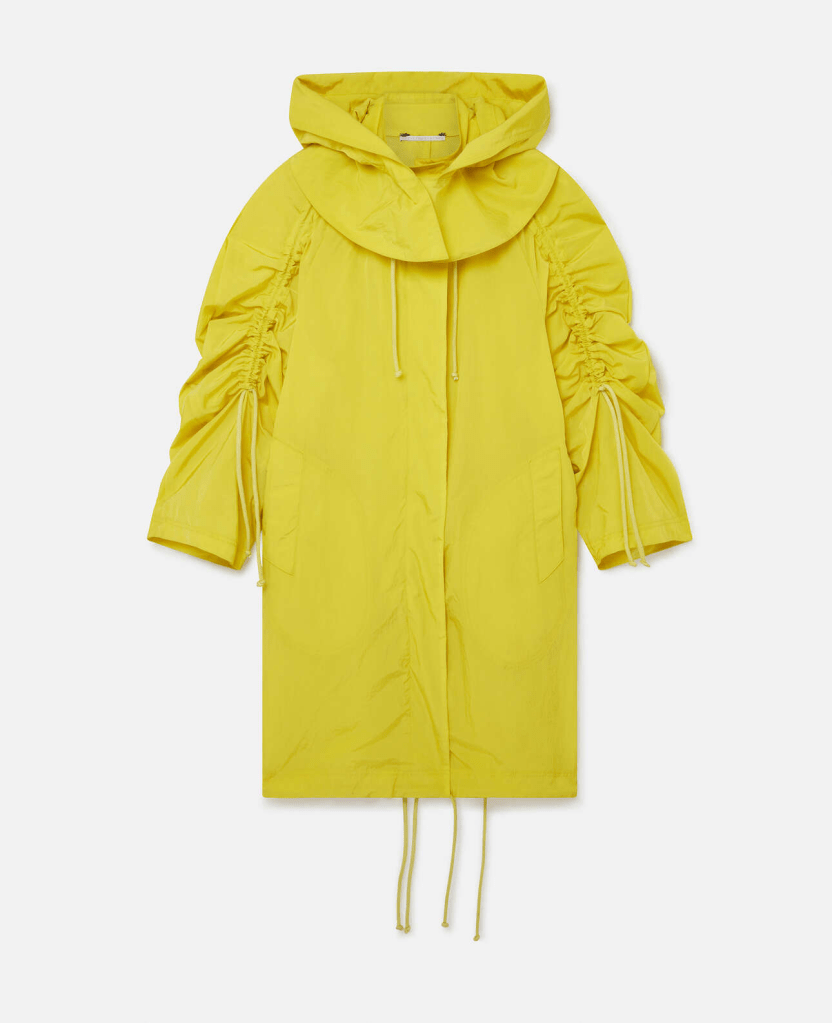
According to The Fashion Globe, Stella’s efforts go 360 throughout the entire supply chain. “All Stella McCartney stores, offices and studios in the UK are powered by wind energy and abroad, they use renewable energy to power their stores and offices not to mention that 45% of their operations are run on 100% renewable, green energy.”
Not only her collections are sustainable, her collaborations are too. She has worked with Greenpeace, Adidas and even Parley for the Oceans.
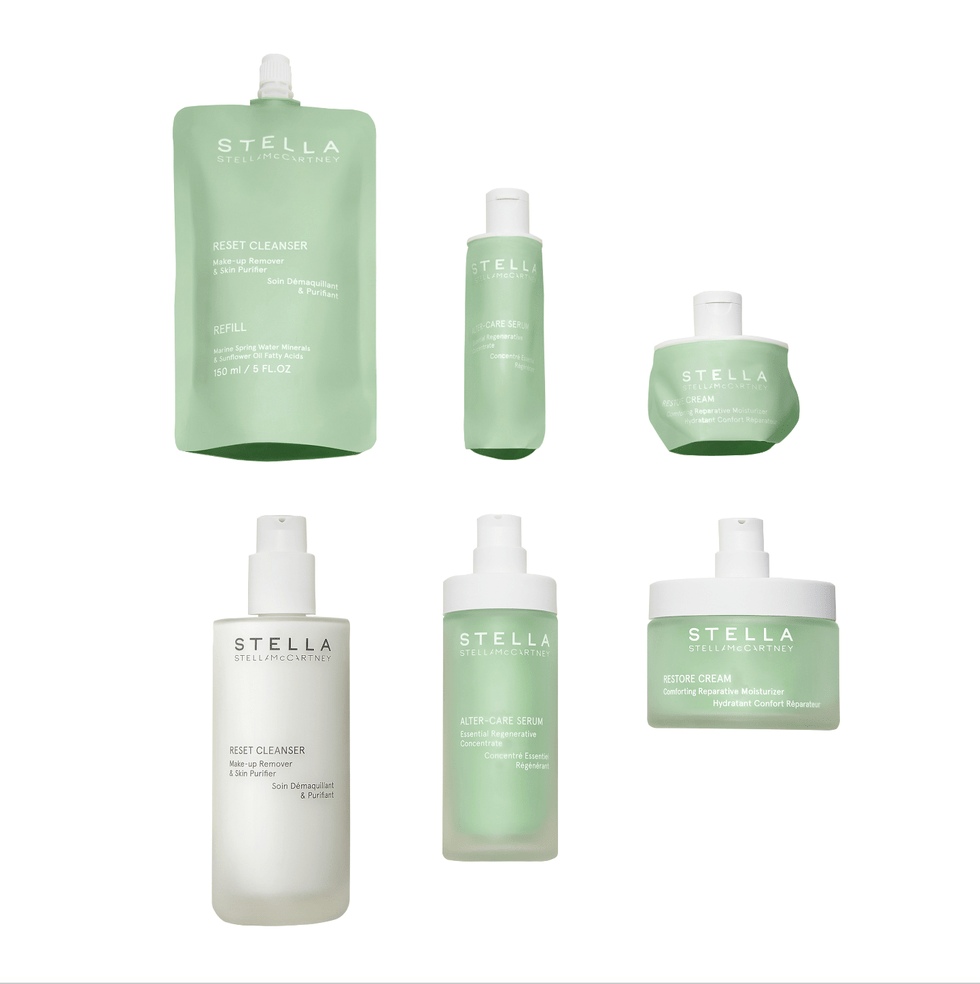
And her sustainable journey has now moved to beauty too with three products: the Reset Cleanser, Alter-Care Serum, and Restore Cream. The products are refillable and come in reusable bottles made from recyclable glass. One of the products she will release in the future is a scent who she has had help by none other than one of my favourite perfumers, the master perfumer Francis Kurkdjian.
It’s important to note that there are still luxury brands prioritising profit over sustainability, and some may engage in greenwashing (using sustainability as a marketing tool without actually implementing meaningful changes).
It is up to us, consumers, to research and evaluate the sustainability efforts of individual brands before making purchasing decisions. That is the number one way to create change in all aspects of our life.
While some luxury brands are making strides towards sustainability, there is still much progress to be made in the industry as a whole.
Thanks for reading and I’ll see you guys in the next one!
Sofia x
 Up Close On Beauty
Leave a comment