

Sustainability and health public awareness sounds like something we only recently started caring about but that couldn’t be further from the truth. Historically speaking, humans have been sustainable-aware since the conception of beauty inventions.
As Joana Nobre, a Portuguese Pharmaceutical Advisor and Author has written in her recent ebook, “A brief history of cosmetics”, humans have used cosmetics since 3,000 BC in Egypt where beauty and cosmetics were born. It’s believed that Egyptians used cosmetics to showcase status and personal hygiene, by reusing some ingredients from nature and giving them a new purpose.
In modern days, as brands began to be called out for health and safety reasons, the public started to become aware. In 1944, the Draize test was implemented in the US due to some manufacturers developing products that created skin irritation. It became public that these tests used lab rabbits who were put through very painful lesions. With time, there was bigger outcry for these practices that have since then developed (even though some countries still require animal testing), with sustainability to be included in these public worries.
Fast forward to 2023 and consumers have become more conscious of buying ethical and environmentally sustainable products. According to a 2020 survey and study by McKinsey US, “more than 60 percent of the study’s respondents said they’d pay more for a product with sustainable packaging, and approximately 35 to 36 percent of respondents would buy additional sustainably packaged products if they were more available in stores, and better labeled”.
But the question remains, how can beauty brands become more sustainable? Many things come to mind but from my research, some brands have been implementing practices that prioritise environmental responsibility and social ethics throughout their entire supply chain, including assisting the consumers on how to dispose of the products safely.
Here are some ways that, according to my research, beauty brands are improving and being more sustainable.
Sustainable and Ethical Sourcing
By prioritising the use of organic and cruelty-free raw ingredients, it guarantees that products are supplied ethically and sustainably. In addition, the people involved in the producing process are often insufficiently compensated for their work. Treating their workers with the respect they deserve is incredibly important.
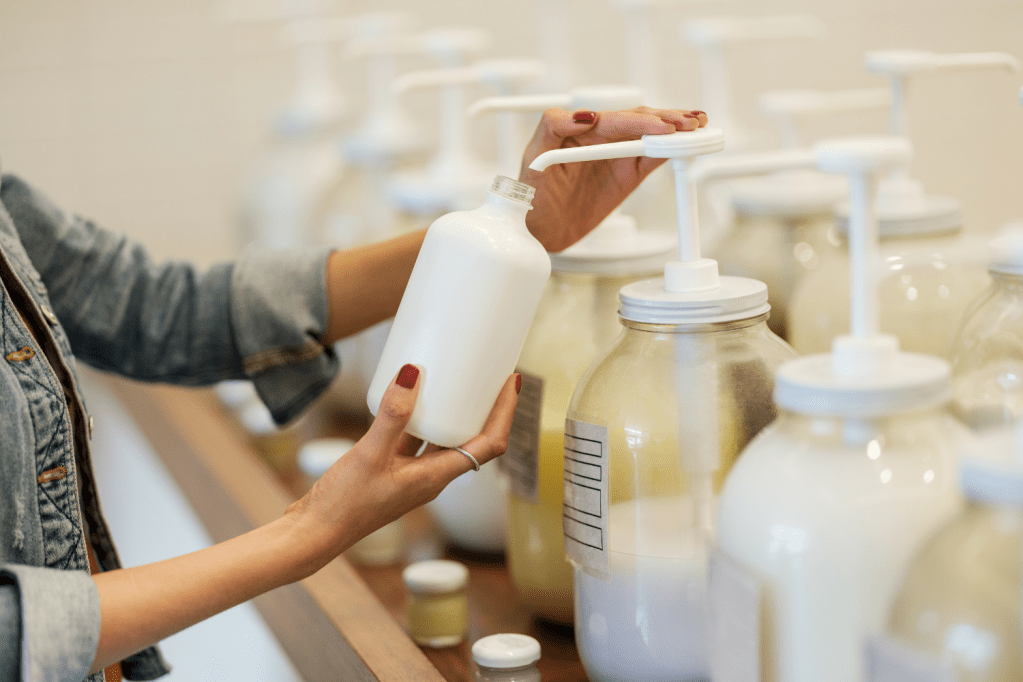
A brand I want to highlight here is L’Occitane*. An early adopter of refillable packaging, the French luxury retailer is, according to Harper’s Bazar, “committed to sustainably and ethically sourcing its ingredients and is constantly giving back to various charities including Hometree and Unicef“.
Packaging
There’s no denying that the beauty industry generates a significant amount of waste from packaging. According to a data analysis study by Our World in Data, “packaging (…) has a very short ‘in-use’ lifetime (typically around 6 months or less). This is in contrast to building and construction, where plastic use has a median lifetime of 35 years”. This is quite distressing to read as, according to the same study, “packaging is (…) the dominant generator of plastic waste, responsible for almost half of the global total”.
Brands who use eco-friendly and biodegradable packaging are miles ahead of the industry. To help with this, brands could also consider the type of packaging they’re using, reduce the amount of plastics they use (for certain products, like lipsticks, it’s a tough challenge), and use recycled materials.
An example of a brand who prioritises biodegradable packaging is SBTRCT Skincare. SBTRCT skincare is an award-winning zero waste and minimalist brand that provides skincare products in solid soaps format and with natural ingredients.
Carbon footprint
This term sometimes confuses people so I thought I would start by explaining what it means. Carbon footprint is, according to the Oxford Dictionary, “the measure of the amount of carbon dioxide (or CO2) released into the atmosphere”.
Using renewable energy sources helps reduce the carbon footprint released when producing beauty products, as well as using eco-friendly, zero waste or biodegradable packaging, and recyclable materials.
There are actually many certified carbon-neutral companies, one of which is Tropic. This is an award-winning beauty brand, with vegan beauty products that are cruelty-free and freshly made with sustainably sourced, global natural ingredients.
From product deliveries and even their office, all of Tropic’s carbon emissions are accounted for. The brand has also funded conservation work in the Amazonian rainforest and helped to protect 65,000 hectares of forest from unsustainable palm oil conversion in Indonesia.
Transparency
This may be the most important topic of our list, in my humble opinion. Greenwashing is still being practiced these days as claims aren’t being fact-checked by a federal agency.
Brands who prioritise transparency are winning the sustainable race as they are looking for what’s wrong in their production chain and how they can improve. It’s important that brands share their sustainability practices by providing information about their production processes, ingredients, and certifications from independent organisations.
Coco Kind sustainable, pant-powered, sustainable, affordable, and cruelty-free skincare brand. It’s also a brand that values transparency not only with their ingredients but also their products, carbon footprint, and recycling instructions.
Recycling, Reusing, Repurposing
Three very important Rs. Brands are changing their mindset at this level and we already see many positive changes towards recycling of products. A very important brand to mention is Boots, a health and beauty retailer and pharmacy chain in the United Kingdom.
In the UK, you can come into their stores with 5 empty beauty products and get points back to their loyalty card which can then give you access to discounts. This model is incredibly clever as they give something back from just do (what to me is a very basic step in our lives) the step of recycling a product after it’s finished rather than throwing it in your bin.
Reusing and repurposing is also a very clever way to give objects a second life. Repurposing an eye cream which you didn’t particularly like as a hand cream means that product won’t be wasted. And that perfume bottle you absolutely love, can be repurposed as a vase or a decoration item. Decorative Byredo perfume bottle, anyone?
Certifications
Finally, and certainly not the less important, we need to mention certifications. Talking again about greenwashing, there are many independent organisations that shouldn’t be giving certifications so it’s crucial to keep an eye on the relevant ones.
According to Cara Bondi, VP of Product Development and Regulatory at Ursa Major Skincare, a certified B Corp company, in an interview to The Good Trade, explains “Part of the problem is that there is no regulatory definition or universally agreed-upon standard for these claims. For example, sustainability may mean biodegradability and plant-derived ingredients to one company, but responsibly sourced palm oil and recyclable packaging to another.”
Certifications like a Certified B Corporation, Fairtrade International, Leaping Bunny Program and even PETA are well known certifications to look out for to make sure the products you love are verified as sustainable and ethically made.
There is a long way to go when it comes to sustainability in the beauty industry. Adopting sustainable practices isn’t easy. Some brands will need to (and some have indeed succeeded in) change very important responsibilities in the entire supply chain.
I look forward to finding ways to easily discover sustainable brands and continue to do my best to make the world just a little bit more sustainable. Join me at the end of the month where I will gather all the ways we, as consumers and very busy people, can make a difference.
Thanks for reading and I’ll see you guys in the next one!
Sofia x
*Links marked with asterisks are affiliate links.
 Up Close On Beauty
Leave a comment